
When scholarship becomes focused on what is fashionable rather than what is true then trouble is ahead. Unfortunately that is precisely where the Waitangi Tribunal is taking us with the so called “modern scholarship” it has used to declare that Maori retained sovereignty in spite of signing a Treaty which clearly states otherwise.
We should not be surprised. As I noted two years ago (“One sun in the sky” – NZ Herald 22.01.13) the claim that sovereignty was not ceded has become increasingly fashionable among certain academics, activists and bureaucrats ever since the Court of Appeal launched the concept of “partnership” into the Treaty narrative in 1987. The same Court judgement noted that “the Maori people have undertaken a duty of loyalty to the Queen, (and) full acceptance of her Government”. This part of the judgement is somewhat less regarded but it far better reflects the facts of history.
William Colenso was present at the Treaty signing and his notes of proceedings are the prime source quoted by historians. They are freely available online at the NZ Electronic Text Centre. Any honest reading will find no trace of the power-sharing, partnership concept now being endorsed by the Tribunal. Rather they show a group of initially wary and reluctant chiefs eventually deciding that their best interests lay in establishing the mana of the Queen as the supreme authority in the land. Regardless of what some may want to believe today – this was what was agreed.
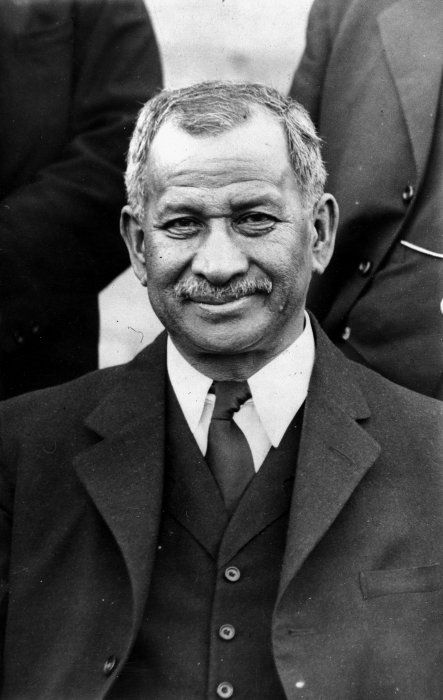
Sir Apirana Ngata
It was also the commonly accepted understanding of the Treaty for nearly 150 years until the modern revisionists came to the fore. For instance in 1922 we find Sir Apirana Ngata explaining the Treaty in very clear terms. Speaking of the how the Treaty impacted on the authority held by the chiefs he wrote,
“It was the chiefs who bespoke the land and gave it away. They had the power even for life or death. These were the powers they surrendered to the Queen. This was the understanding of each tribe. The main purport was the transferring of the authority of the Maori chiefs for making laws for their respective tribes and sub-tribes under the Treaty of Waitangi to the Queen of England for ever.” (Sir Apirana Ngata, 1922)
The Waitangi Tribunal has played an important role in progressing justice for Maori unfairly alienated from land and resources. However on this issue Ngata’s words stand testament as to how far the Tribunal has missed the mark.
Ewen McQueen
November 2014
 RenewNZ
Apart from your last paragraph I find I can absolutely agree with you Ewen. However, the Waitangi Tribunal has long outlived its original purpose and should have been disbanded years ago. Today it is dangerously mischievous (to put it mildly) and just rubber stamps whatever ‘Maori’ want, no matter how far-fetched. It has no relevance in today’s world. We should all be moving on together as was originally intended and stop all this divisive racist separatism that is being proposed by various ‘Maori’ groups. We are all New Zealanders.
LikeLike
I disagree with your statement that the Tribunal is mischievous and just rubber stamps whatever Māori want. Many thousands of hours go into researching and substantiating treaty claims. Crown Law Office lawyers are able to produce their own evidence and argue their case. Some claims that do not reach the necessary threshold are declined. I don’t know what examples you are basing your statement on, but you are disregarding the hard work of dozens of people by making unsubstantiated accusations.
LikeLike
Hi Sue
I never said “that the Tribunal is mischievous and just rubber stamps whatever Maori want”. Those are your words. Yes I very much disagree with its findings on sovereignty as outlined in its 2014 report on that matter. I have read that report and found little evidence to support its conclusions. But I also stated in this blog “The Waitangi Tribunal has played an important role in progressing justice for Maori unfairly alienated from land and resources.”
Having said that, this post is now 10 years old and since then it seems to me the Tribunal has indeed become increasingly politicised and moved well away from its original brief which was to investigate land claims. And as you correctly point out many of those investigations were indeed very thorough.
Thanks for your comment.
Kind regards
Ewen McQueen
LikeLike